
70 West Plumbing · Homeowner guide
Considering Whole-House Water Filtration? Questions Before Installation
Choose the problem you want to solve before choosing the equipment.
Before comparing whole-house filter systems, write down what you want to change about your water. Taste, visible particles and a concern identified by testing are different starting points. A useful plan connects that specific concern with an appropriate system and a maintenance routine you can keep up with.
In this guide
Your starting point
Start with the water source and the question
Tell the installer whether your water comes from a utility or a private well. For utility water, the supplier’s water-quality report is useful background. If you have testing results, bring the full report rather than only a comment that the water is ‘bad.’ A report helps define what treatment is intended to address.
Taste, smell and appearance alone cannot establish whether water is safe. The CDC recommends choosing treatment for the germs or chemicals of concern, rather than assuming every home needs the same filter. Bring the report or testing results that prompted your questions.
Where to treat
Does the concern involve the whole home or one tap?
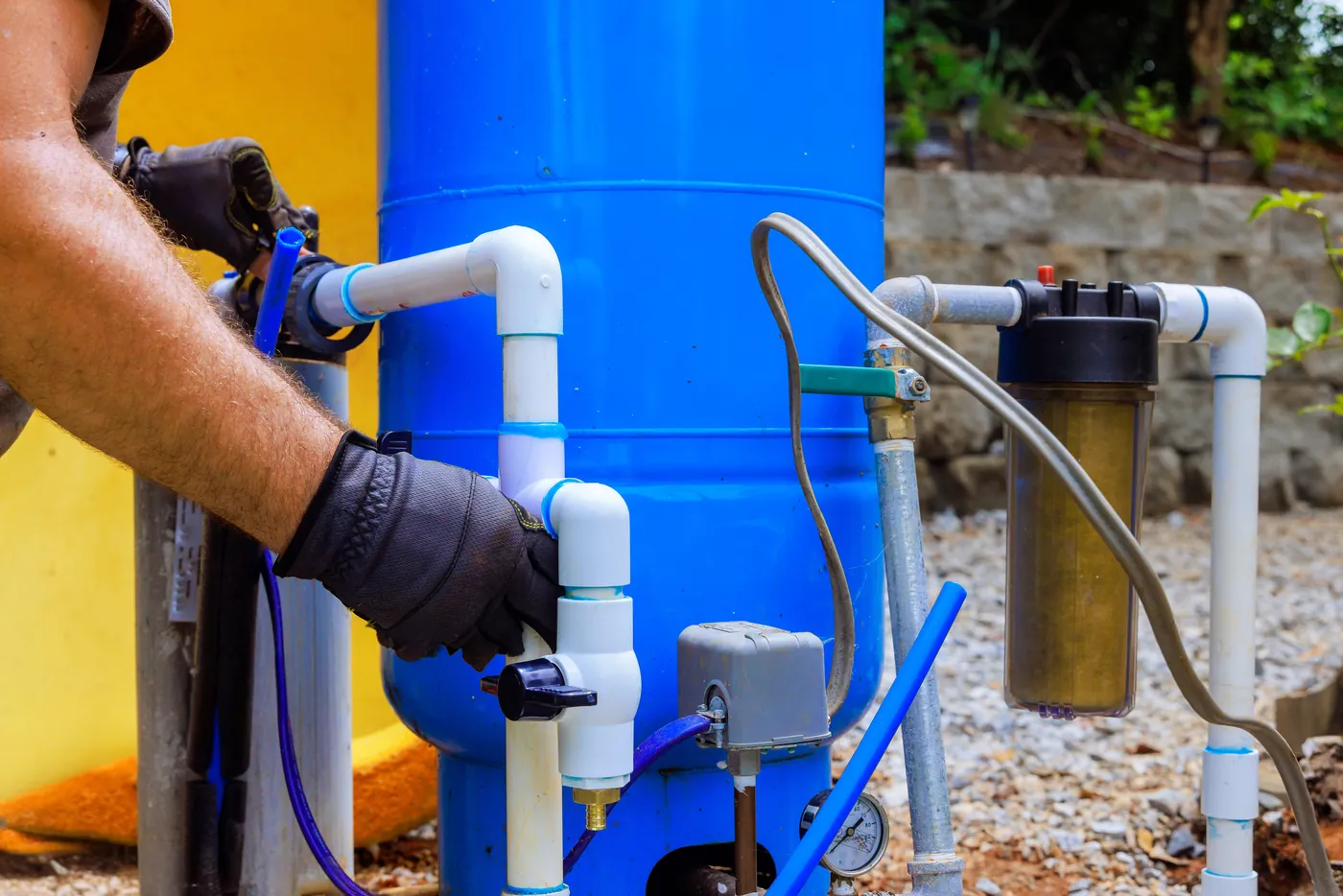
A whole-home, or point-of-entry, system treats water as it comes into the house. A point-of-use system treats water at a particular outlet, such as a kitchen tap. Those are different installation plans. If the concern is limited to drinking and cooking water, ask why whole-house treatment is being proposed instead of treatment at that outlet.
If the concern affects water used throughout the home, discuss that wider need. Share where you notice the issue and what you hope the installation will change. Equipment size or a larger number of stages does not, by itself, answer which approach fits.
What it treats
Ask what the exact model is certified to reduce
A label saying ‘water filter’ does not mean the product removes everything. Ask for the model number and the specific reduction claims that match your concern. NSF explains that certification applies to particular standards and claims. The standard numbers are not a simple better-to-best ranking.
For example, a taste-and-odor claim is different from a claim to reduce a named contaminant. Keep the product literature with the estimate so you can compare the proposed equipment with the reason for installing it. Avoid choosing from a photograph or a broad promise of ‘pure water’ alone.
Installation & care
Include access, flow and maintenance in the plan
Ask where the system would go, what access it needs and how the installation would fit the supply plumbing. Discuss household water use and any existing treatment equipment. A clear estimate should identify the proposed system and installation work, including anything that still needs checking during a visit.
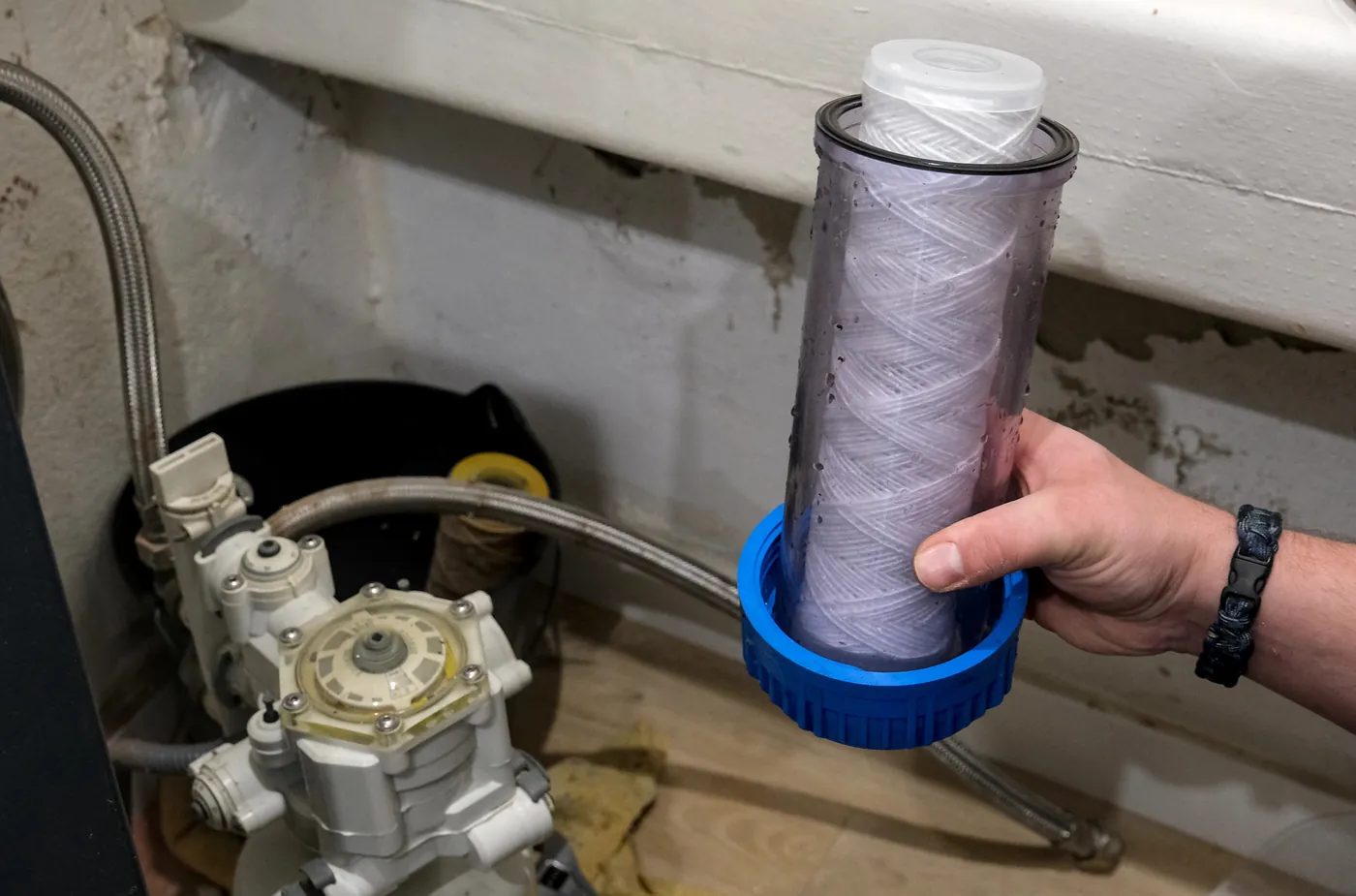
Then ask which replacement filters it uses, how their replacement schedule is determined and who will maintain it. Maintenance is part of owning the equipment, not an optional extra. NSF recommends considering the ongoing cost of replacement filters when comparing a treatment system.
Compare the plan
Five questions worth bringing to the conversation
- What specific concern is this installation intended to address?
- What information supports that choice of treatment?
- Why treat the whole house rather than a single outlet?
- What does the proposed model’s certification actually cover?
- What installation access and ongoing filter changes will it need?
70 West’s water filtration service page is the place to start a local installation conversation. Share any existing system label and testing paperwork before buying equipment. The aim is a plan suited to your water and the work your home needs.
Talk through water filtration for your home
Talk with 70 West Plumbing about what you have noticed.
Hot Springs, Glenwood, Bismarck & Bonnerdale · 6AM–6PM daily