
70 West Plumbing · Homeowner guide
Why Does My Faucet Keep Dripping After I Turn It Off?
Where the water shows up is the first clue to the repair.
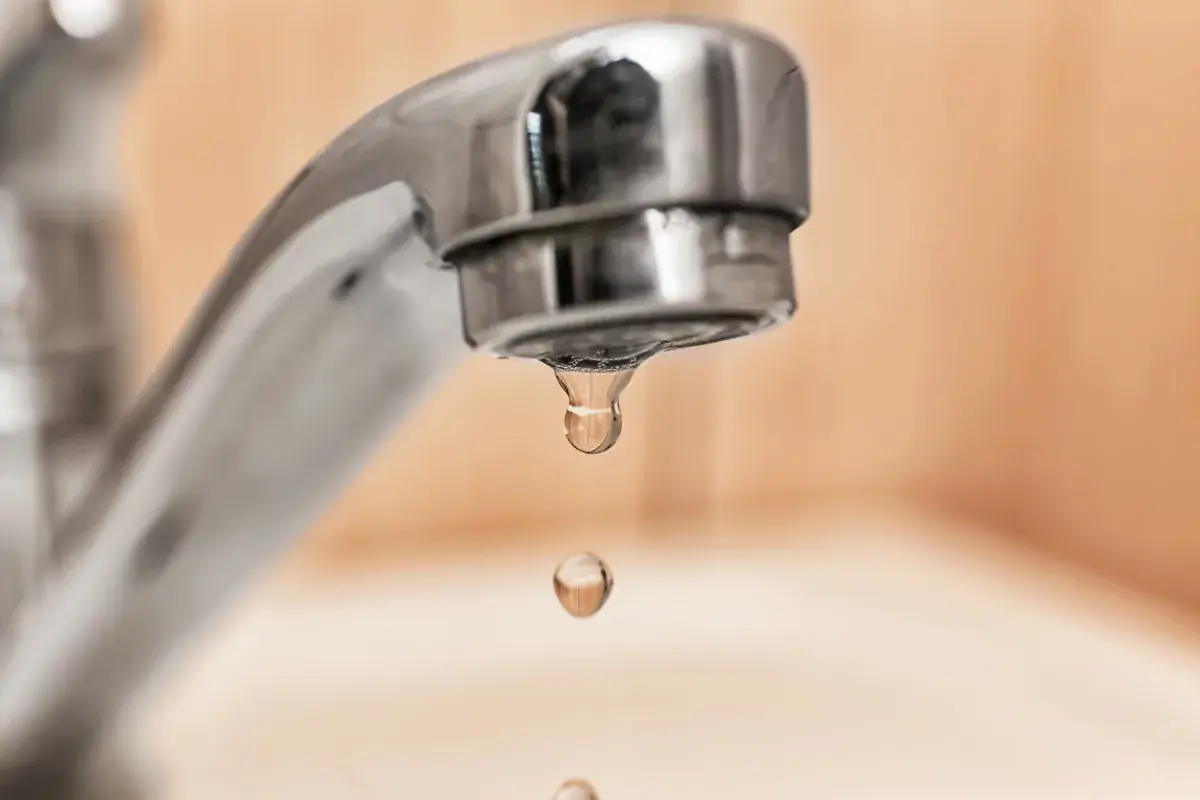
If your faucet keeps dripping after you turn it off, start by looking at where the water shows up. A drip from the spout, a wet handle and water under the sink each point somewhere different. You don’t need to know which part failed to make a good faucet repair call.
Locate the drip
Find where the water first appears
Once the faucet has been off a little while, check the spout opening, the handle and the base where the faucet meets the sink. Then check whether the cabinet below is dry. Notice if the drip shows up after you use hot water, cold water or either one. If it comes and goes, a short phone video can help show it.
Water under the sink may be coming from a supply or drain connection, not the faucet spout. Mention a damp cabinet right away, especially if water is pooling or getting into what you store there. Pfister’s troubleshooting guidance separates spout, handle and under-counter leaks for this reason.
Why it drips
Why a shut-off faucet can still drip
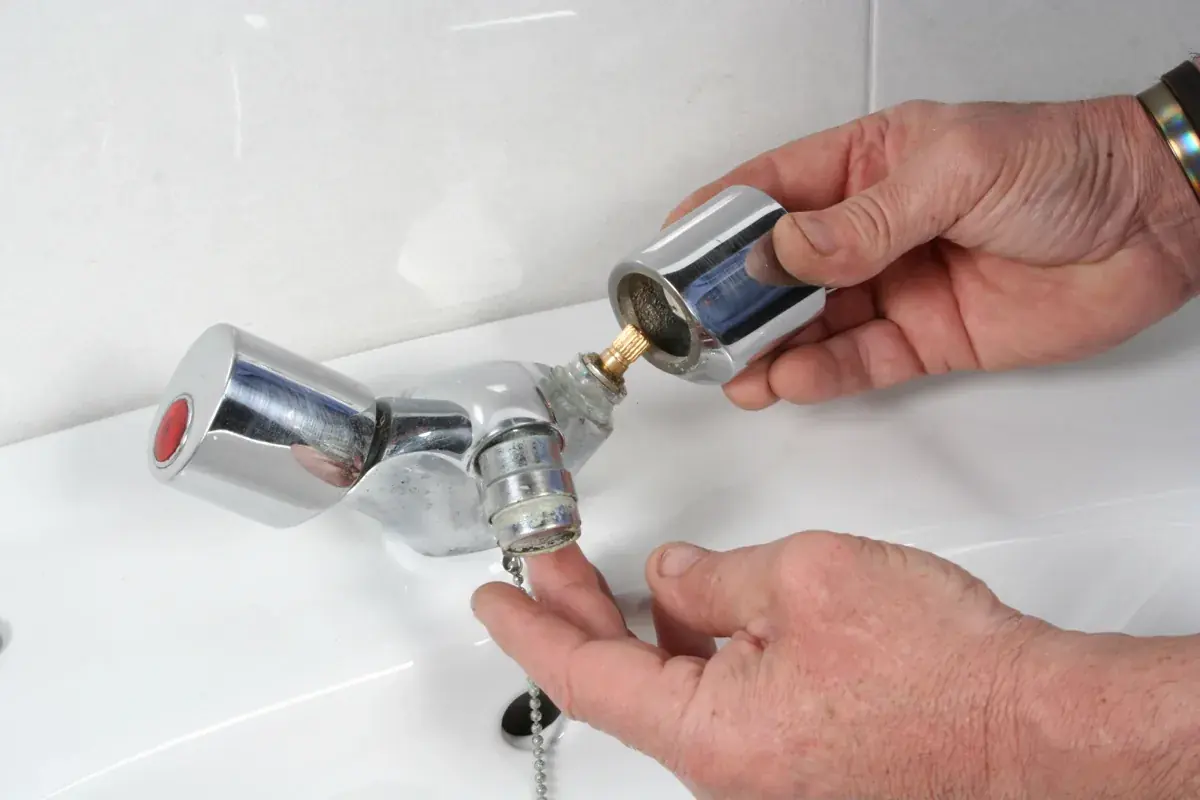
Turning the handle closes a valve inside the faucet. Depending on the faucet, a washer, seal or cartridge is what stops the water. When that part wears out or gets damaged, the spout can keep dripping after you shut it off. A leak around the handle or below the sink may involve a different seal or connection. The faucet model and where it leaks tell the plumber what to check.
If you have to push the handle into an odd position to stop the drip, mention that. Cranking it tighter isn’t a lasting fix. KOHLER and Pfister both describe model-specific replacement parts; the same part will not fit every fixture.
Why it matters
A small drip can become a bigger nuisance
EPA WaterSense lists dripping faucets among common household leaks. A drip into the sink wastes water, and moisture that gets into a cabinet can damage what’s stored there. Notice if the drip is getting faster or if the area around it stays wet.
If water is pooling under the sink, move things out of the way and get it looked at soon. If the spout is the only wet place, tell the plumber how often it drips. Don’t try to guess a repair price or water-bill savings from the sound alone.
Repair or replace?
What to ask the plumber
Faucets often have replaceable parts, but a repair depends on the model, compatible parts and the fixture’s overall condition. Ask what’s leaking and whether a matching part is available. A loose or damaged faucet is a different situation from a solid one with a single worn part.
If you already have a new faucet picked out, share the model. Don’t assume it will fit your sink and connections. 70 West’s Plumbing Repair page covers both faucet repair and installation; a visit can sort out which one makes sense for your faucet.
Before you call
A quick checklist
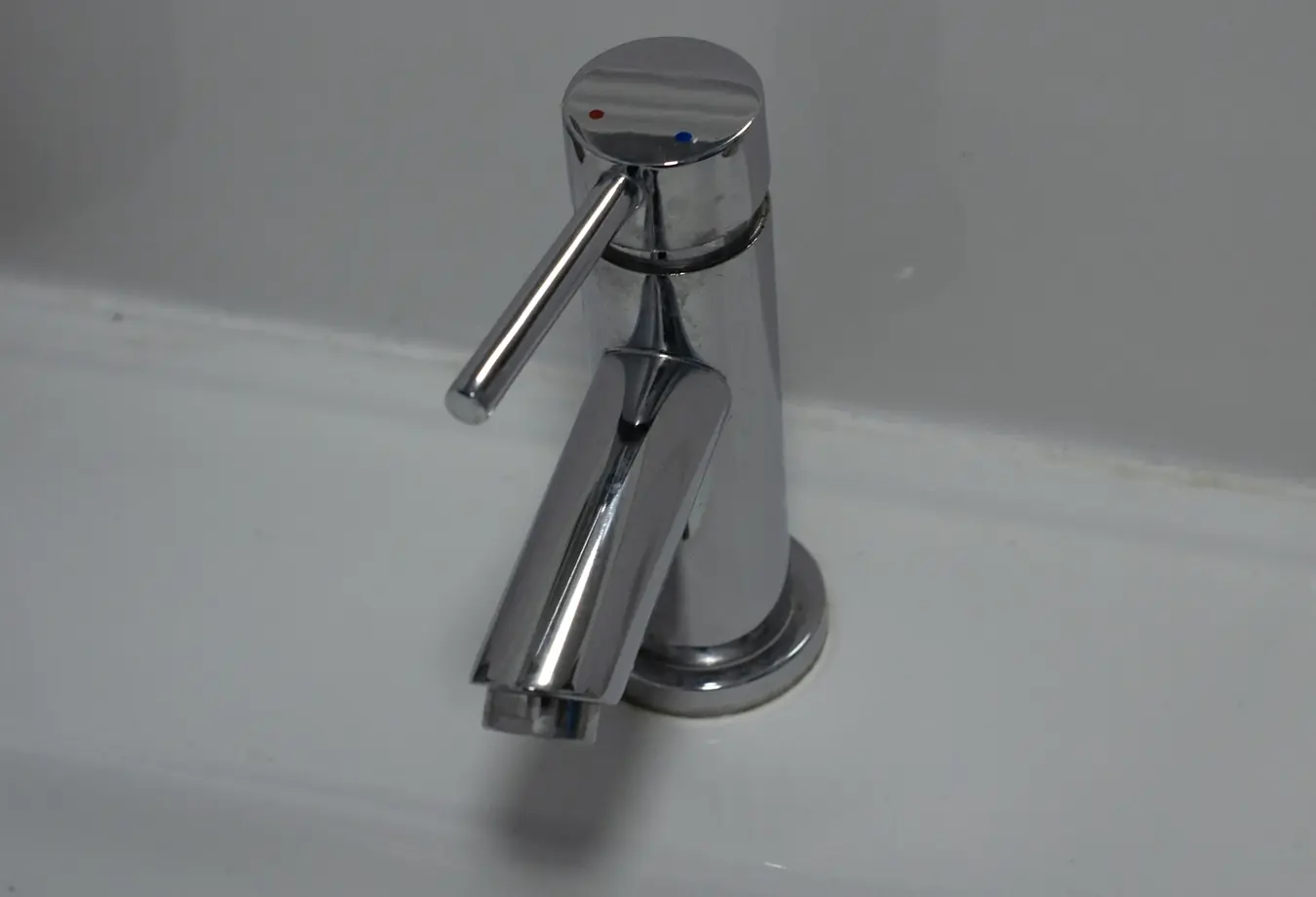
Tell the plumber: kitchen or bathroom; one handle or two; brand/model if visible; spout, handle or cabinet leak; whether it continues after shutoff; and whether hot or cold use changes it. If the handle is loose or water is spreading past the sink, say that first. A photo helps if the drip comes and goes.
Need a plumber?
Get help with a dripping faucet
Tell us where the water appears and whether the cabinet is wet. We serve Hot Springs, Glenwood, Bismarck and Bonnerdale, 6AM–6PM daily. Call 501-547-0518 or request a quote to discuss repair or installation.