
Water pressure & PRVs
Is your water pressure too high?
A forceful faucet is a clue. A pressure reading helps explain what is happening.
A pressure-reducing valve, often called a PRV or water pressure regulator, controls the pressure of water entering a home’s plumbing. If water suddenly feels unusually forceful or pressure seems inconsistent, the useful next step is to have it measured and the system checked. The symptoms alone do not tell you that the regulator needs replacing.
In this guide
The regulator
What does a pressure-reducing valve do?
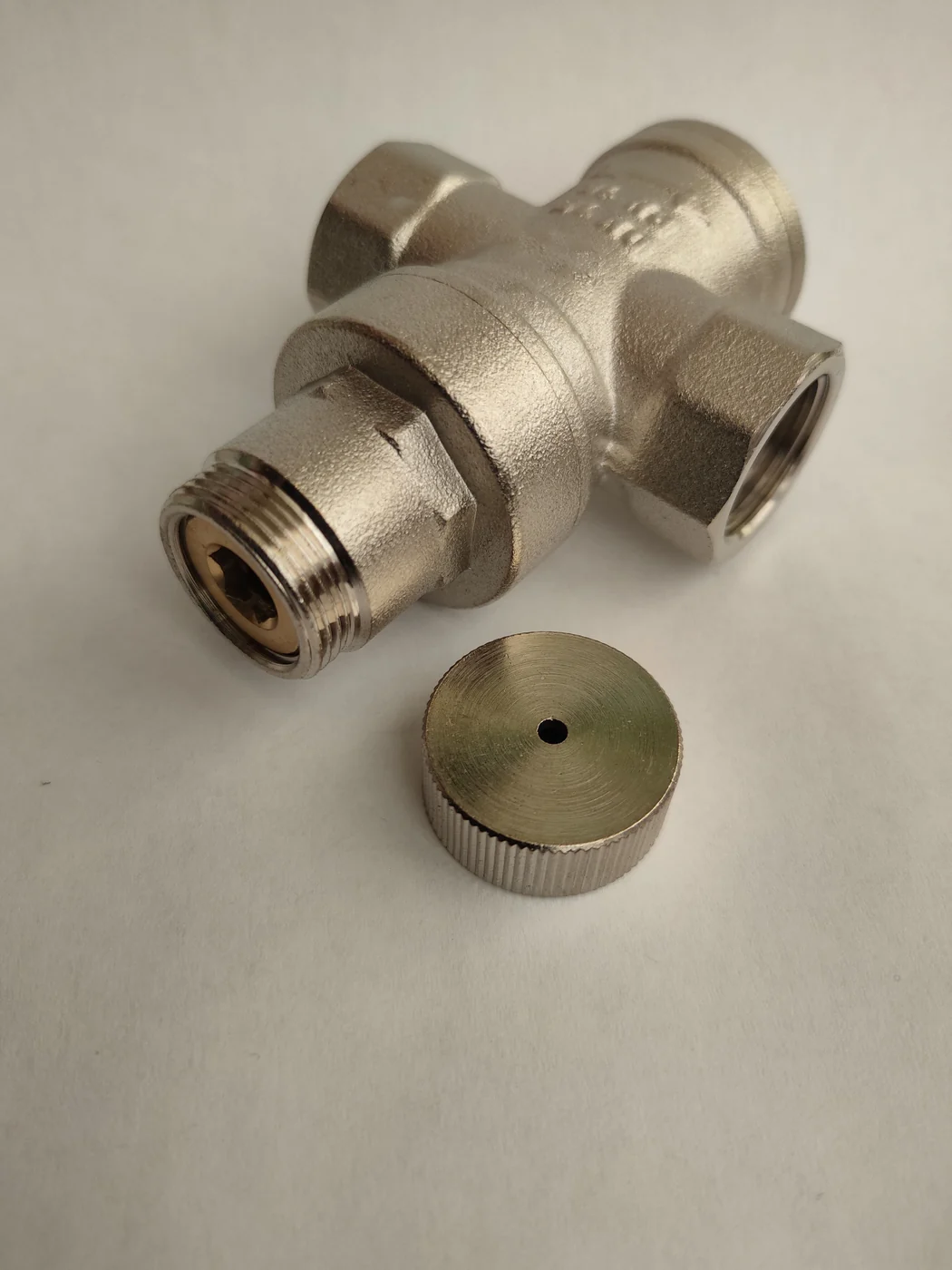
Water arrives from the supply at a pressure that may be higher than the home needs. A pressure-reducing valve lowers that incoming pressure and regulates the downstream supply. It is a different component from the temperature-and-pressure relief valve on a water heater. The similar names can cause confusion when describing a leak or asking for a repair.
You do not need to identify a valve by taking it apart. If a visible label is easy to photograph, share it with the plumber. A picture of the wider installation can also show which component you mean.
What changed?
Describe the pattern, not just the strongest faucet
Notice whether the change affects one fixture or several, and whether it happens all day or comes and goes. Report persistent dripping, unfamiliar pipe noise or a pressure change after recent plumbing work as separate observations. High supply pressure can contribute to plumbing problems, but those observations have other possible causes too.
If the problem is weak flow at just one tap, start with our one-faucet versus whole-house pressure guide. The location and timing of the change help narrow down what needs checking.
Measure first
A pressure check comes before an adjustment
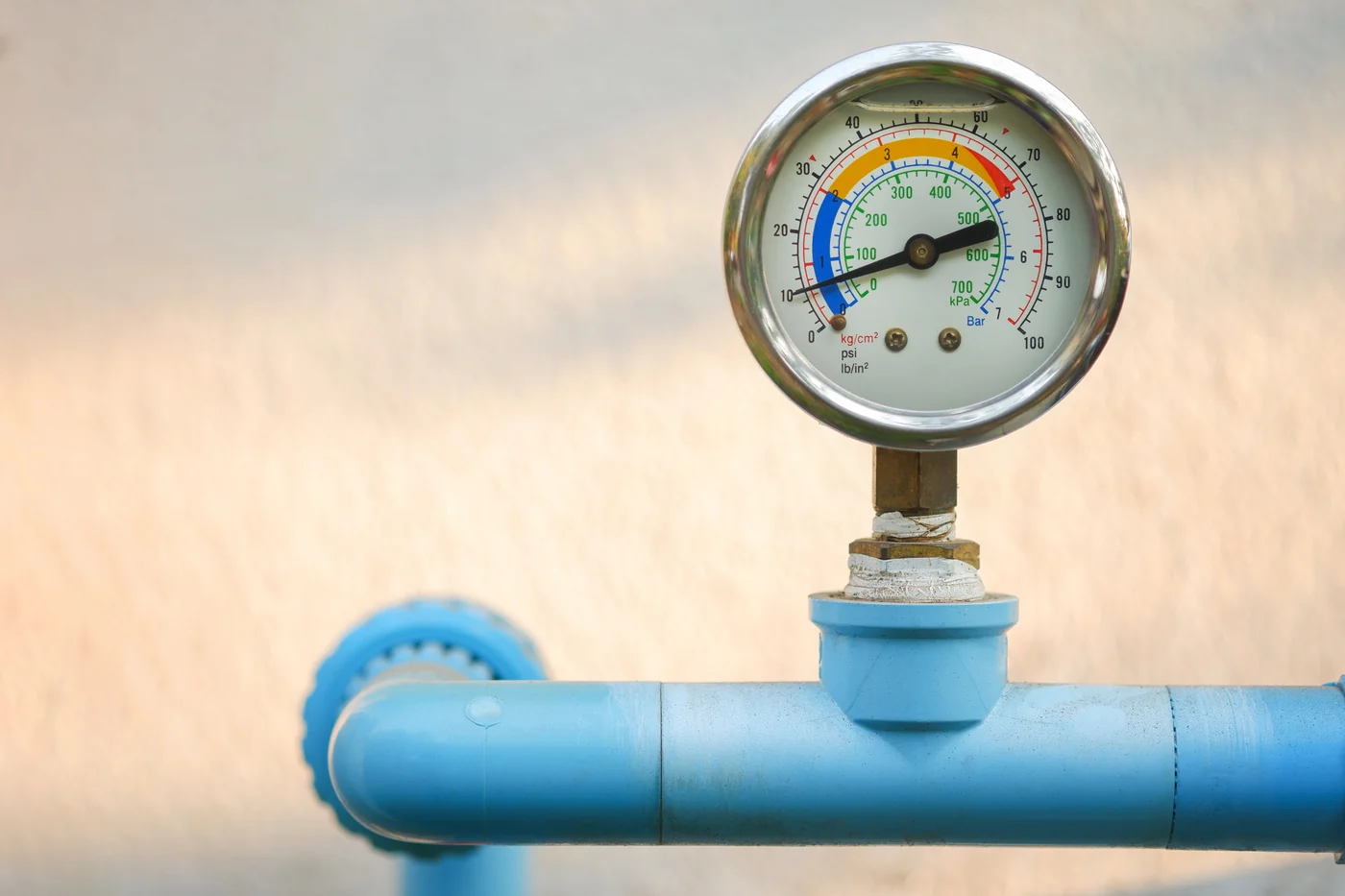
Ask what the measured pressure is, where it was checked and whether the reading changes with water use. That gives the repair conversation something firmer than how the spray feels. A regulator setting, an unsuitable or worn valve and another plumbing issue call for different responses.
Do not turn an adjustment screw simply because a video shows a similar valve. The model’s instructions and the actual installation matter. Tell the plumber if someone has already adjusted it, and whether that made a lasting difference. A useful estimate should explain the finding and the proposed work.
The options
What should you ask about repair or replacement?
Ask whether the existing valve can be serviced, whether suitable parts are available and what condition the surrounding connections are in. Replacement may be the proposed option, but a symptom is not a parts list. The reason for replacing the valve should be explained before the work starts.
Also mention any changes around the water heater or supply line. A pressure regulator is not a substitute for the rest of the system’s pressure controls. Questions about a leaking heater belong in the assessment too; our water-around-the-heater guide explains how to describe that observation.
Before the visit
A short record makes the visit more useful
Have your town, the approximate start of the problem, the affected fixtures and any previous readings ready. Keep a note of recent plumbing work and any adjustment someone has made. If a valve or nearby connection is leaking, say so when arranging the visit.
70 West Plumbing can discuss pressure-reducing valve work as part of a plumbing repair visit. Call with what you have noticed rather than buying a replacement valve first. The installed equipment and the pressure check determine the next step.
Need help with your water pressure?
Talk with 70 West Plumbing about what you have noticed.
Hot Springs, Glenwood, Bismarck & Bonnerdale · 6AM–6PM daily