
70 West Plumbing · Homeowner guide
Think You Have a Hidden Water Leak? Start Here
Start with what you can see and what your water bills show
An unexpected water bill, a damp cabinet or the sound of water when the house is quiet is worth a closer look. None of those clues points to the exact source by itself. Start by sorting out whether you’re just using more water or water is getting out somewhere it shouldn’t.
Water use
Compare usage before comparing the bill total
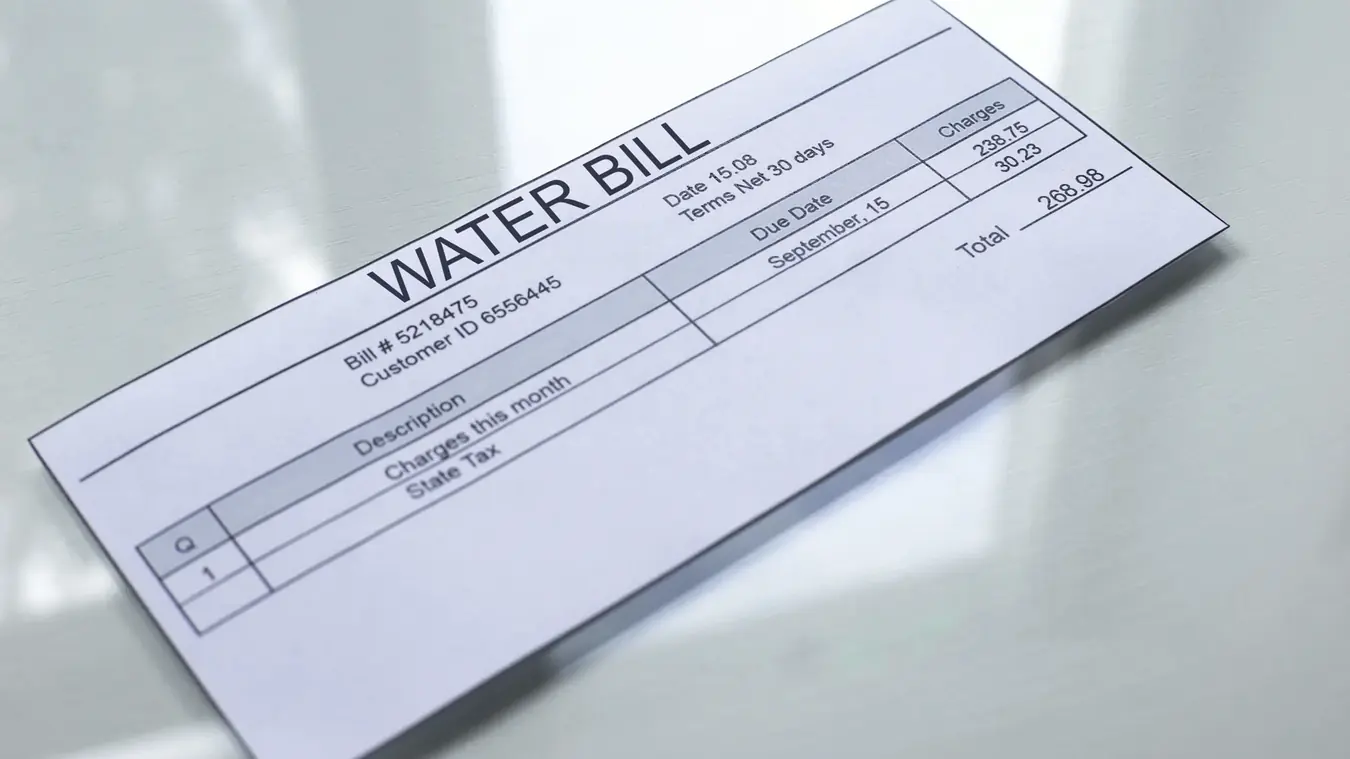
If your water is metered, compare the gallons used and the number of days on each bill. A bigger dollar amount doesn’t always mean more water. Then think about what changed: company staying over, more laundry, watering outside or filling a pool all add up.
If you cannot explain the increase, check the utility’s reading and billing information and keep a copy of the comparison. It helps your plumber to know when the jump started and whether it’s still going. You’re looking for a pattern. A bill alone can’t tell you how big a leak is.
Visible clues
Check what you can see and reach
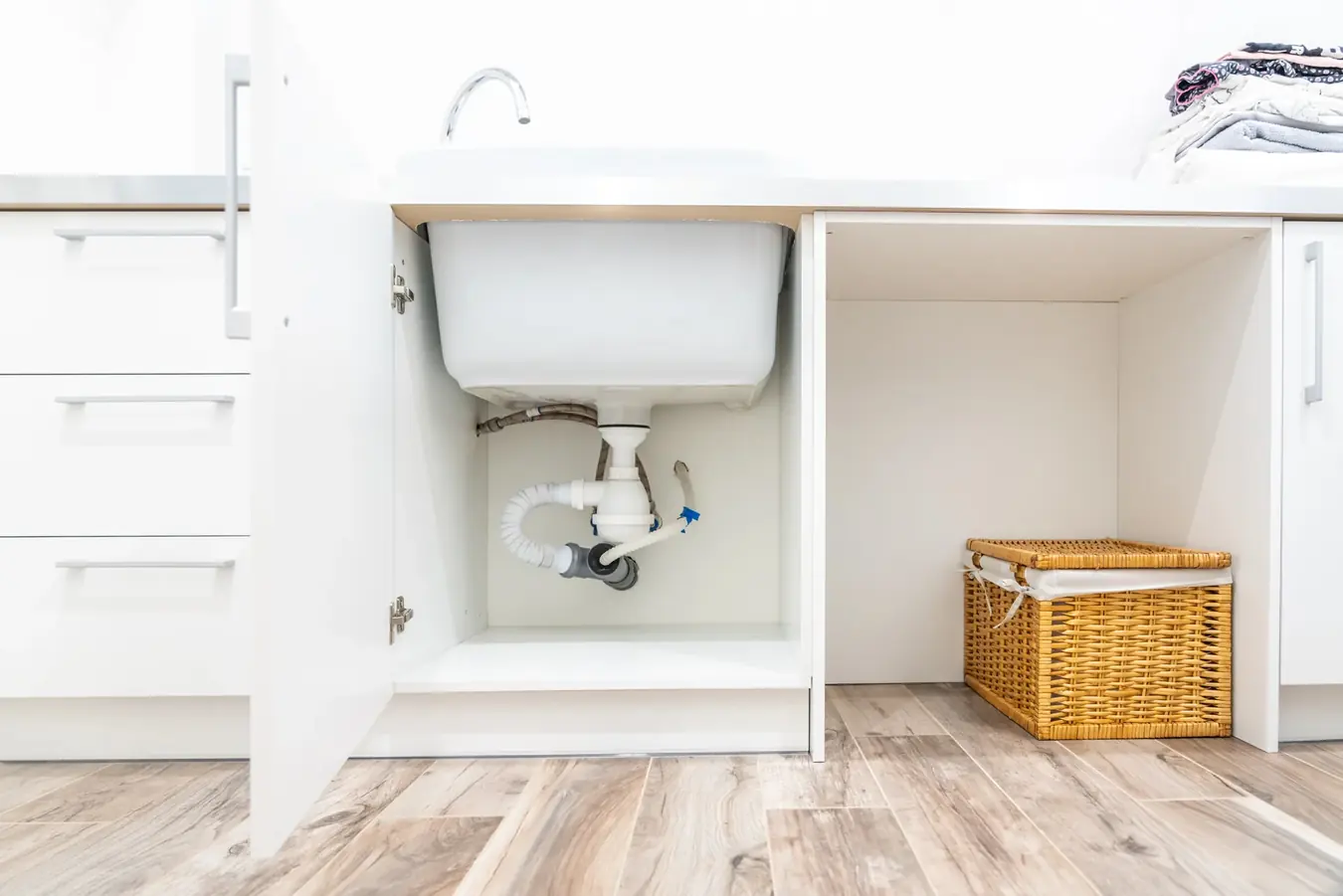
Look below sinks, around toilet supply connections, near appliances with water connections and at the water heater. Notice fresh drips, pooled water, damp cabinet material or a stain that has changed. A toilet can also lose water into its bowl without leaving a puddle.
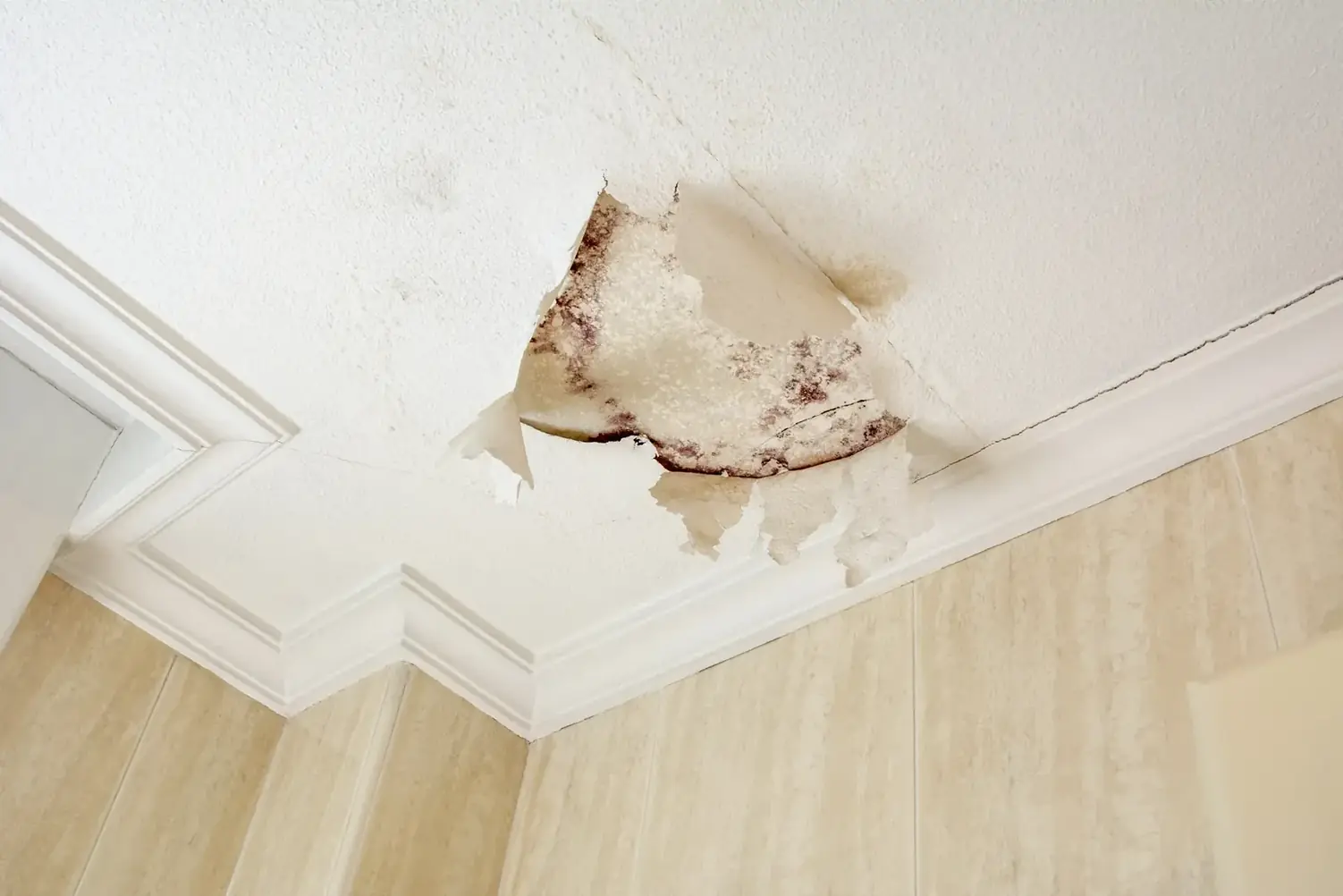
A stain on a ceiling or wall needs checking, but it doesn’t prove a plumbing leak. A roof leak, condensation and other moisture can look the same. Notice if it shows up after someone uses a fixture or after rain. Stay out of wet areas near anything electrical, and don’t open up walls hunting for a leak you can’t pin down.
Meter clues
What a water meter can and cannot show
If you can get to your water meter, ask your water provider how to read it. EPA WaterSense suggests comparing readings over a two-hour period when no water is being used. Don’t forget things that run on their own, like sprinklers and appliances. A quiet house doesn’t always mean nothing is using water.
If the reading moves, water went through the meter. If you’ve ruled out normal use, that’s a good reason to look for a leak. It won’t tell you where the leak is, which side of a wall it’s on, or what repair it needs. And one steady reading can’t rule out a leak that comes and goes. Skip this check if the meter isn’t safe to reach or you’re not sure how to read it.
Finding the source
Match the next step to what you found
If you can see water at a fixture connection, start with exactly where it is. If usage is up but you can’t see water, share your bills and anything the meter showed. For a stain that’s changing, photos taken from the same spot help show when it showed up or grew.
70 West’s leak detection and pipe repair page covers finding the source and choosing a repair. Before anything gets opened up or repaired, ask what needs to be inspected and what’s still unknown. If the problem may be on the water provider’s equipment, contact them for guidance instead of guessing who is responsible from an online diagram.
Active water
If water is spreading, address that first
If water is actively leaking, don’t wait to finish a meter check before you call. If you know where a nearby valve or the main shutoff is and can reach it safely, turn off the water. Don’t force a stuck valve or walk into a wet area that isn’t safe.
When you call, say where it is, whether water is still flowing, when you first noticed it and whether you shut anything off. For urgent water loss, ask about emergency plumbing availability. Getting an active leak under control safely comes before any notes.
Need a plumber?
Think you have a hidden leak? Give us a call.
70 West Plumbing serves Hot Springs, Glenwood, Bismarck and Bonnerdale. Call 501-547-0518, 6AM–6PM daily, to discuss a visible or suspected plumbing leak.