
70 West Plumbing · Homeowner guide
Water Around the Toilet Base: What Should You Check?
The puddle's location and timing help separate a base leak from water traveling down from above.
Water on the floor around a toilet needs attention, but it doesn’t prove the seal under the bowl has failed. A drip from the tank or supply connection can travel down and collect at the base. Start by noticing where the water shows up and whether it comes after a flush.
First look
Look above the floor first
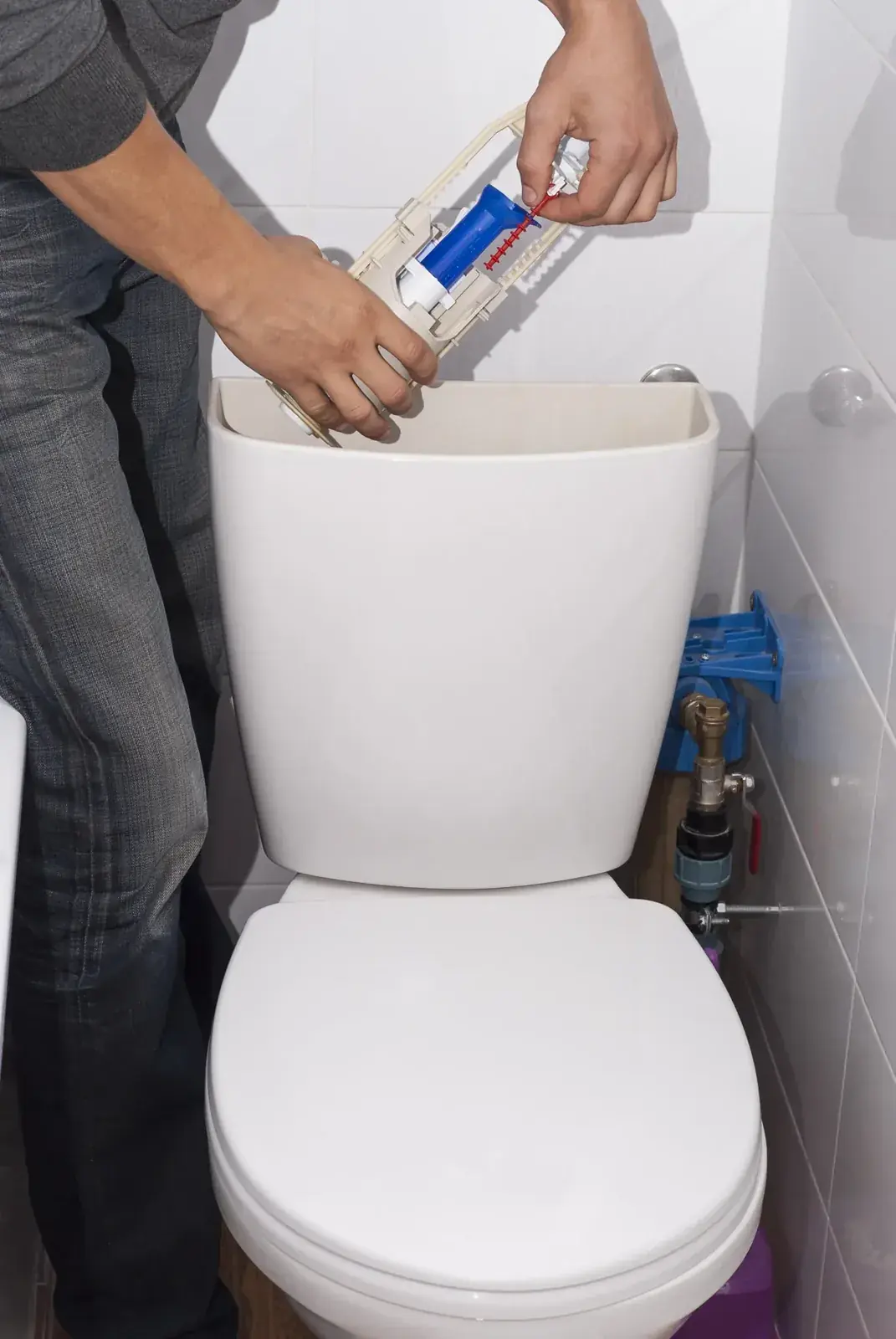
Check whether the tank, the connection between tank and bowl, or the visible supply line is wet. Water can run along porcelain and reach the floor away from its starting point. If those look dry, note whether the puddle shows up only after flushing or stays there between uses. Snap a photo when the area is dry and another when the water comes back. That helps show the pattern.
Oatey, a maker of toilet installation parts, separates supply-line, tank and base leaks because each involves different connections. That’s why a puddle alone isn’t enough to pick a wax ring or any other part.
Other clues
Notice movement and the condition of the floor
Does the toilet rock when used? Is the floor damp beyond the visible puddle, soft, discolored or showing water below the bathroom? Mention any of these right away. The floor seal and flange sit under the bowl, but someone has to inspect them to know whether either is the problem.
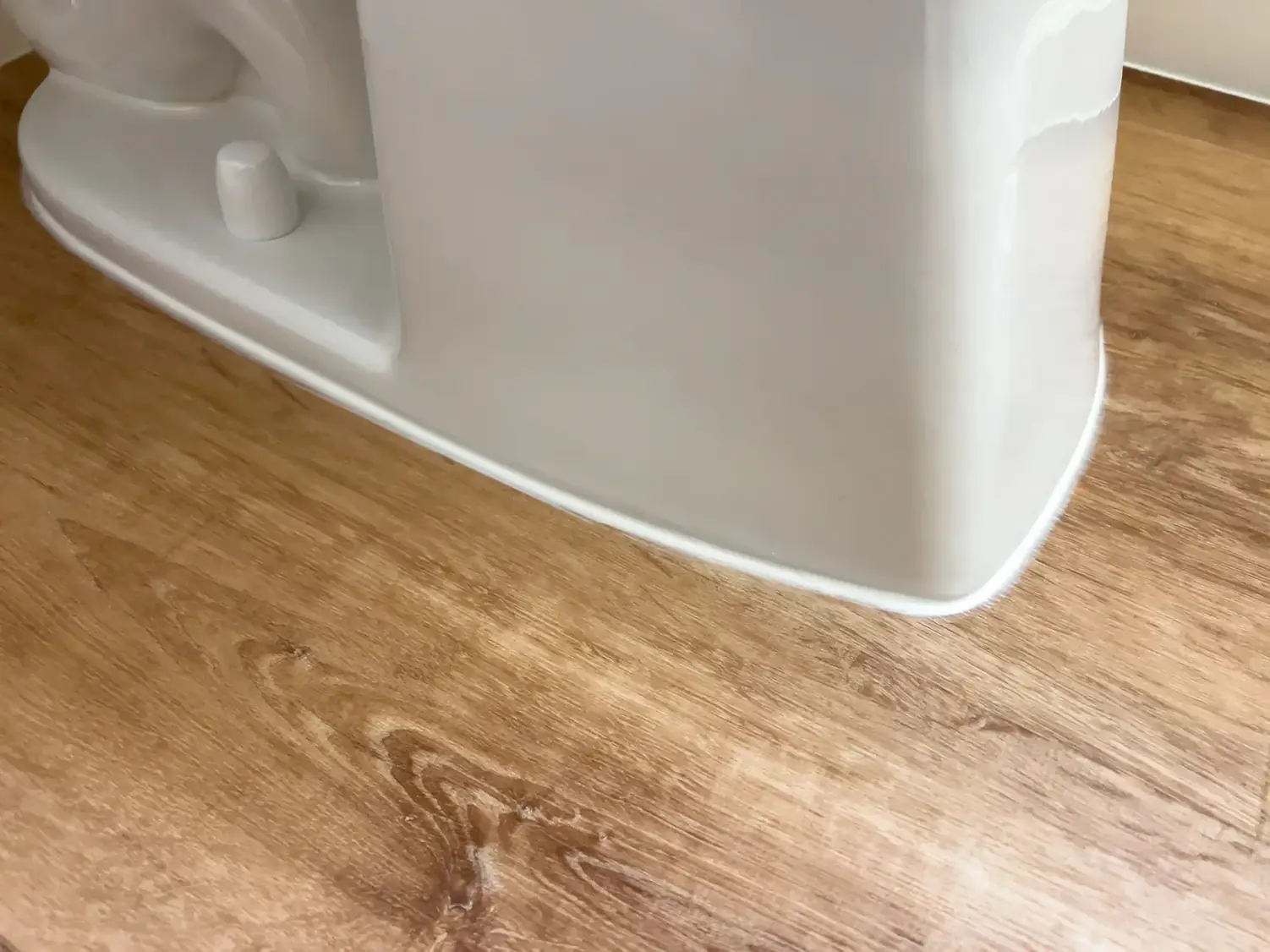
Do not try to stop a recurring leak by applying caulk around the base or tightening the toilet until it stops moving. That can hide the water or damage the toilet while the real leak keeps going.
Next step
Stop using a leaking or unstable toilet
The current 70 West toilet service page advises stopping use of a leaking or unstable fixture and calling to discuss the next step. If water is spreading, say that first when you call. Keep people out of the wet area and move things away from it.
A plumber can check the connections you can see and, if needed, the seal and flange under the bowl. The repair may be at a supply connection, tank component or floor connection. The right fix depends on where the water is actually coming from and the toilet’s condition.
Before you call
What to tell the plumber
Share when the water appears, whether it follows a flush, whether the tank or supply line looks wet, and whether the toilet rocks. Mention damp flooring or water in a room below. If the brand or model is easy to read, pass it along, and send photos if you have them. Those details help plan the visit without guessing at a repair.
Need a plumber?
Get help with water around a toilet
Tell 70 West Plumbing where and when the water appears, especially if it is spreading or the toilet moves. We serve Hot Springs, Glenwood, Bismarck and Bonnerdale, 6AM–6PM daily. Call 501-547-0518 or request a quote.