
70 West Plumbing · Homeowner guide
How to Help Prevent Frozen Pipes and When to Call a Plumber
Start with exposed pipes and outdoor connections before freezing weather arrives.
Getting ready for frozen pipes starts before the coldest night. Outdoor faucets, pipes in unheated spaces and pipes along poorly insulated outside walls are at higher risk. If a tap slows to a trickle in freezing weather or water shows up where it shouldn’t, you may be dealing with a pipe problem, not just prep.
Before cold
Prepare outdoor and exposed plumbing
The American Red Cross advises removing, draining and storing outdoor hoses before freezing weather. If your home has an inside shutoff for an outdoor faucet, the Red Cross also says to close it and drain the outside line. Check how yours is set up. Not every house has the same shutoff.
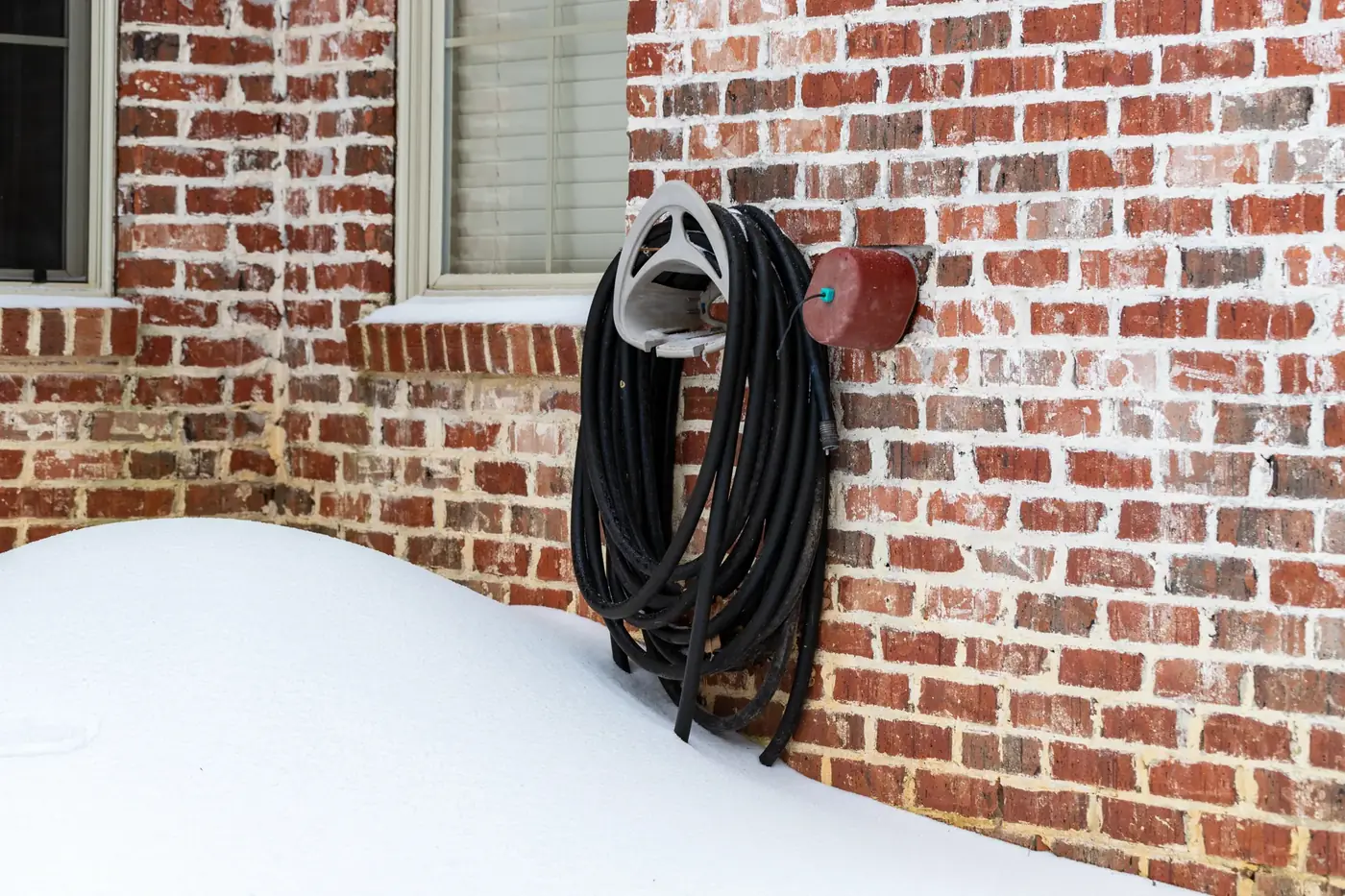
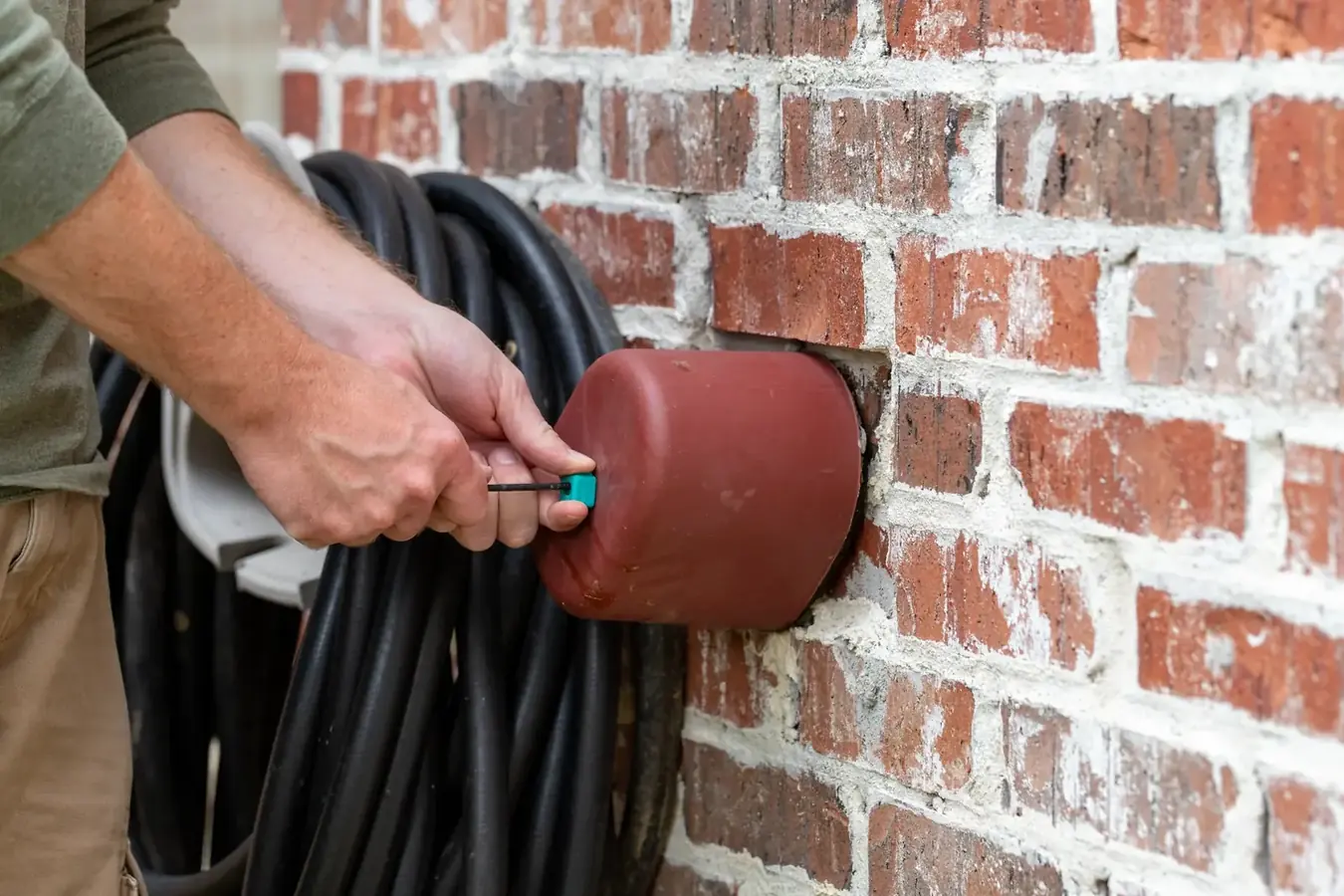
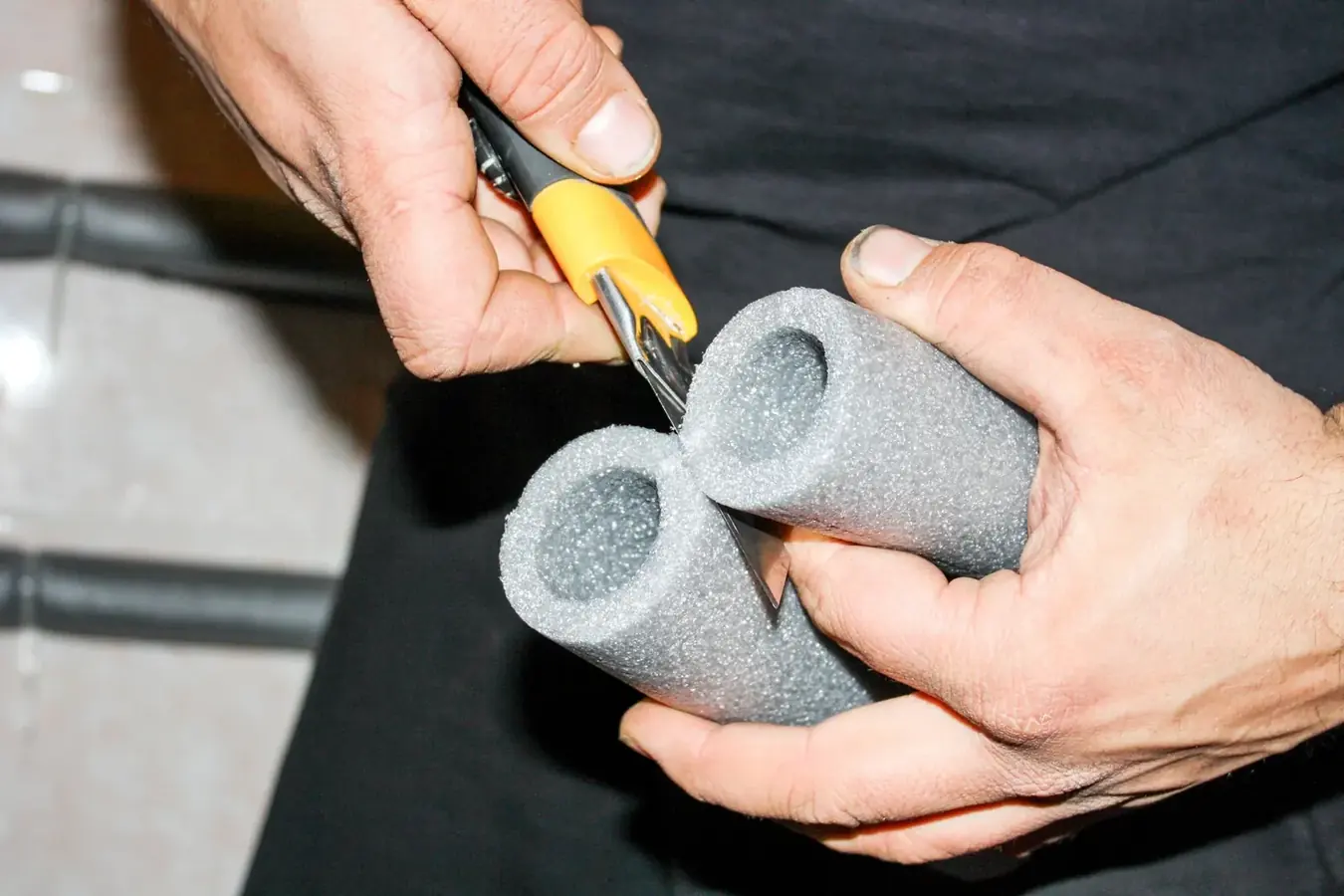
Look for water lines in garages, crawl spaces, attics and under cabinets along exterior walls. Insulating those pipes and keeping those spaces warmer lowers the risk. A plumber can help spot at-risk pipes you can get to and talk through how to protect them. The photo shows an outdoor faucet cover and a stored hose in winter. What’s right for your home depends on your plumbing.
During cold
Keep at-risk pipes warm
Keep a garage door closed when supply lines pass through the garage. Opening cabinet doors lets indoor air reach pipes under sinks on outside walls. If you do, keep cleaners and chemicals out of kids’ reach. The Red Cross advises maintaining indoor heat through cold weather, including when away, and notes that a small trickle at a faucet served by an exposed pipe can help during severe cold.
These steps lower the risk, but they can’t guarantee a pipe won’t freeze in every cold snap. If a pipe has frozen before, is hard to reach or is poorly insulated, it may be worth talking about a longer-term fix through plumbing repair.
Warning signs
A trickle or unexplained wet spot needs attention
If a faucet that usually flows fine gives only a trickle during a freeze, part of the pipe may be frozen. Check other faucets and tell the plumber whether it’s hot, cold or both. The Red Cross and Moen both advise calling a licensed plumber when the suspected frozen area cannot be located or reached, or the blockage does not clear.
Water coming from a pipe, wall or ceiling is more urgent, because a pipe may have split. If you know where the main water shutoff is and can reach it safely, turning it off can limit how much more water gets out while you call. Keep clear of wet electrical equipment and report the active leak first. 70 West’s emergency plumbing service is where to turn for an active leak during its listed hours.
Before you call
What to tell the plumber
Say where and when you first noticed a weak tap, whether other taps still work, where you see water, and whether an outdoor faucet or unheated space is involved. Say whether water is still leaking. A photo of a fixture or wet area you can get to helps. Don’t open a wall or try to heat a pipe you’re not sure about before you call.
Need a plumber?
Plan for cold-weather plumbing problems
Tell 70 West Plumbing about exposed pipes, a weak tap during freezing weather, or any active water escape. We serve Hot Springs, Glenwood, Bismarck and Bonnerdale, 6AM–6PM daily. Call 501-547-0518 or request a quote.