
70 West Plumbing · Homeowner guide
Storage Water Heater Care: What Should a Service Plan Cover?
A practical plan for tank owners, distinct from tankless flushing and filter care.
A storage water heater keeps a supply of heated water in a tank. How you care for it should follow your model’s instructions and its condition, not a one-size-fits-all flushing schedule from the internet. When you call, it helps to know what’s been done before, what the manufacturer recommends, and whether something is wrong right now that should be checked before routine maintenance.
Start with the model
Find the instructions that belong to your tank
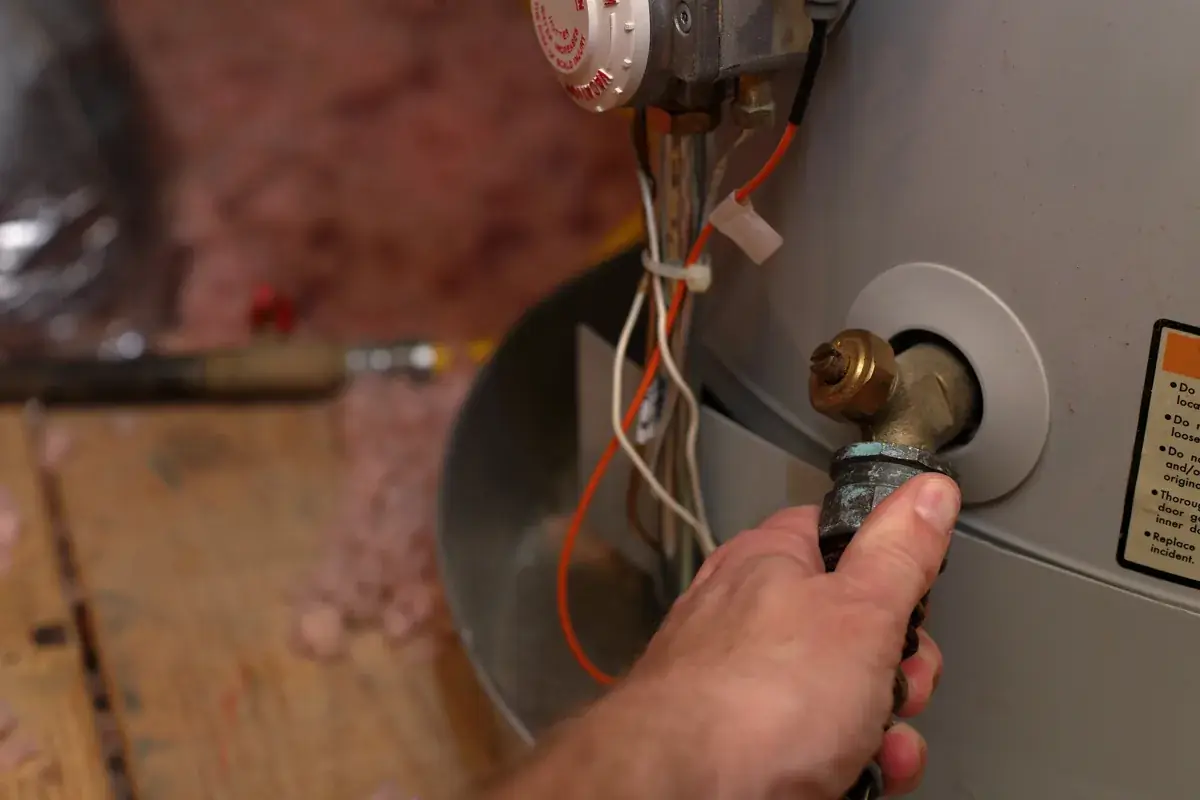
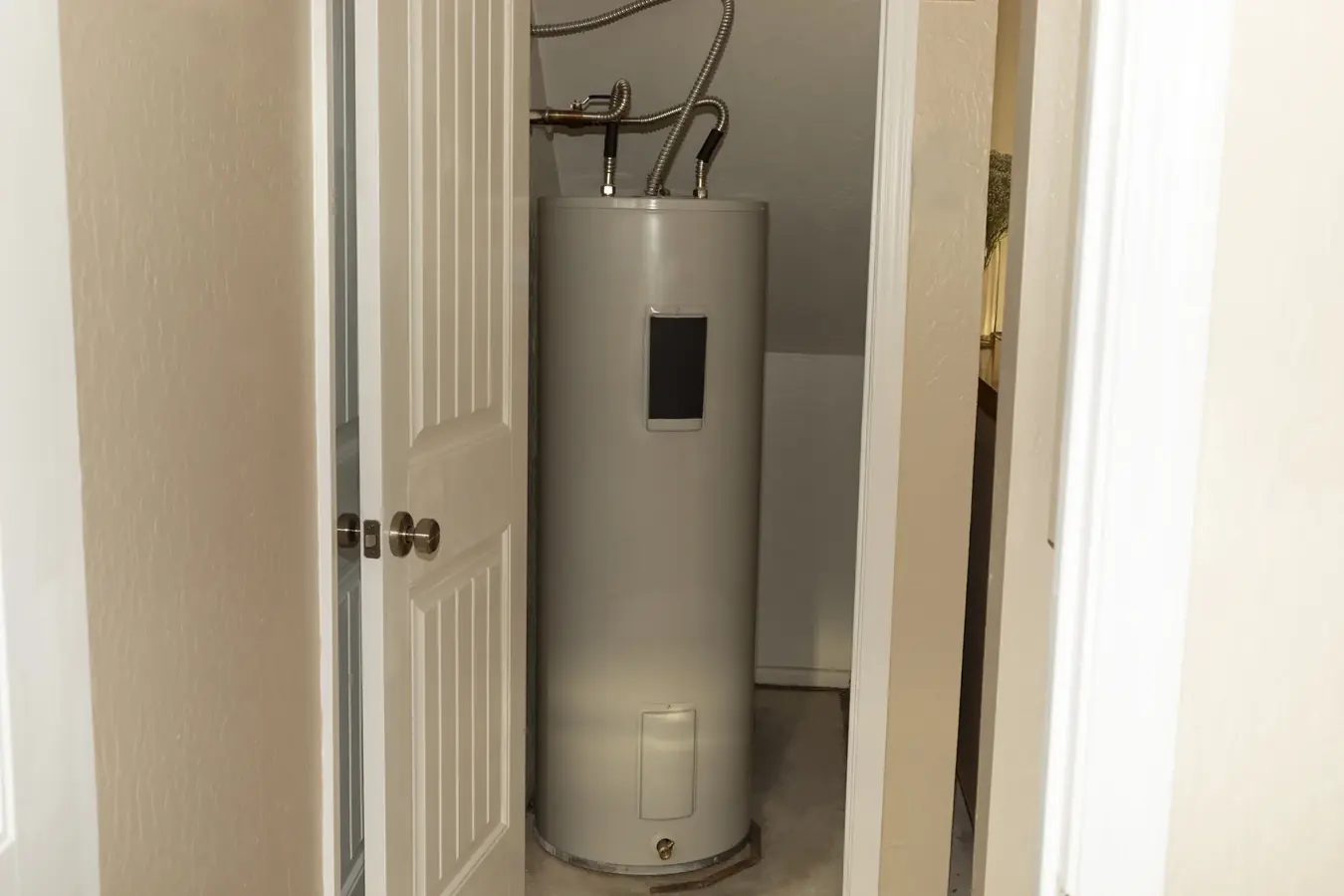
Look for the brand and model on an accessible exterior label, and keep the manual or installation paperwork if you have it. Manufacturers can specify different maintenance tasks and intervals. If you don’t know the service history, just say so. Don’t guess at a date.
Bradford White tells owners to follow their product’s instructions and use a plumbing or HVAC professional for maintenance. Portland Water Bureau likewise notes that manufacturer schedules vary. Ask which checks apply to your tank and how what’s found at the visit changes the plan.
What may be checked
Sediment, protective parts and valves serve different purposes
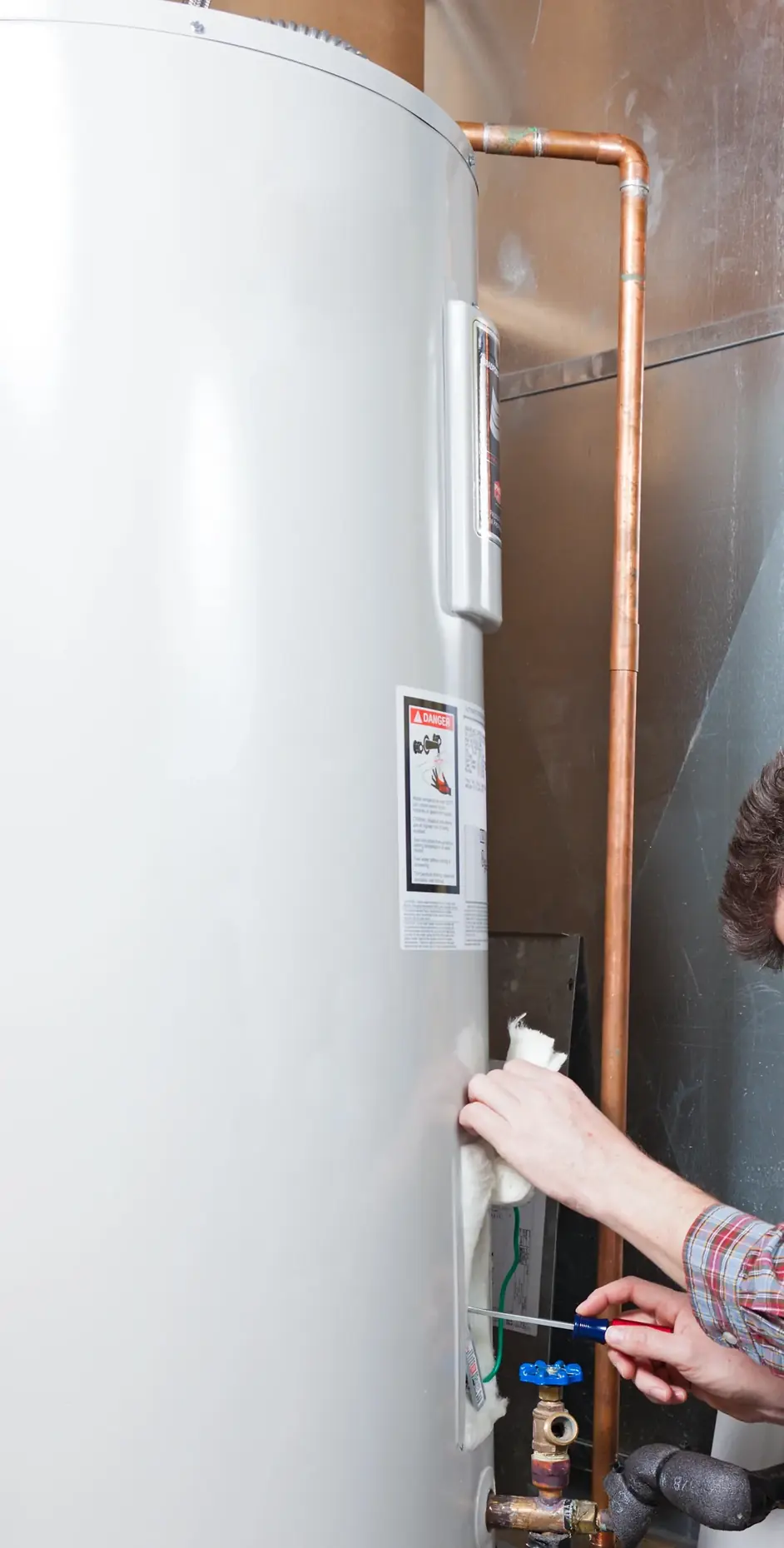
Over time, solids can settle in a storage tank. Part of maintenance can be deciding whether your unit should be drained or flushed, and when. The anode rod helps protect a steel tank from corrosion, while the temperature-and-pressure relief valve is a safety component. These are separate checks, and one doesn’t cover the others.
Ask the plumber what your maker’s instructions call for and what they found. Do not test a relief valve, drain hot water or remove an anode rod just to prepare for a call. With hot water, pressure, gas and electricity involved, generic how-to steps are no substitute for your model’s manual and a qualified visit.
Changes to report
Separate routine care from a new problem
Water around the unit, rumbling that won’t go away, rust-colored hot water or a sudden loss of hot water should get their own look. These can have more than one cause, and a flush won’t fix everything. Note where and when the change appears and whether it is getting worse.
If water is actively leaking, report that at the start of the call. Fixing the problem may need to come before routine upkeep. 70 West’s water heater services include diagnosis, maintenance, repair and replacement, with the recommendation based on your actual system.
Plan the next visit
Leave with a record you can use later
Ask what was checked, what was done, what needs follow-up and when your model should be checked next. Keep that note with the manual and any warranty record. A dated service history makes it easier to describe changes later, without assuming one fixed schedule fits every home.
This guide concerns storage tanks. A tankless unit has different filter and heat-exchanger care; see our published tankless maintenance guide for those details.
Need a plumber?
Water heater questions? Give us a call.
70 West Plumbing serves Hot Springs, Glenwood, Bismarck and Bonnerdale. Call 501-547-0518, 6AM to 6PM daily.