
70 West Plumbing · Homeowner guide
Why Does Hot Water Take So Long to Reach a Faucet?
A slow arrival at one fixture and a heater that cannot keep up are different complaints.
If cold water runs for a while before your shower finally warms up, the delay may be in the path from the water heater to that fixture. Water sitting in the pipe cools off between uses, and it has to come out of the tap before the hot water gets there. That is different from a shower that starts hot and then runs cold.
How it works
The water already in the pipe comes out first
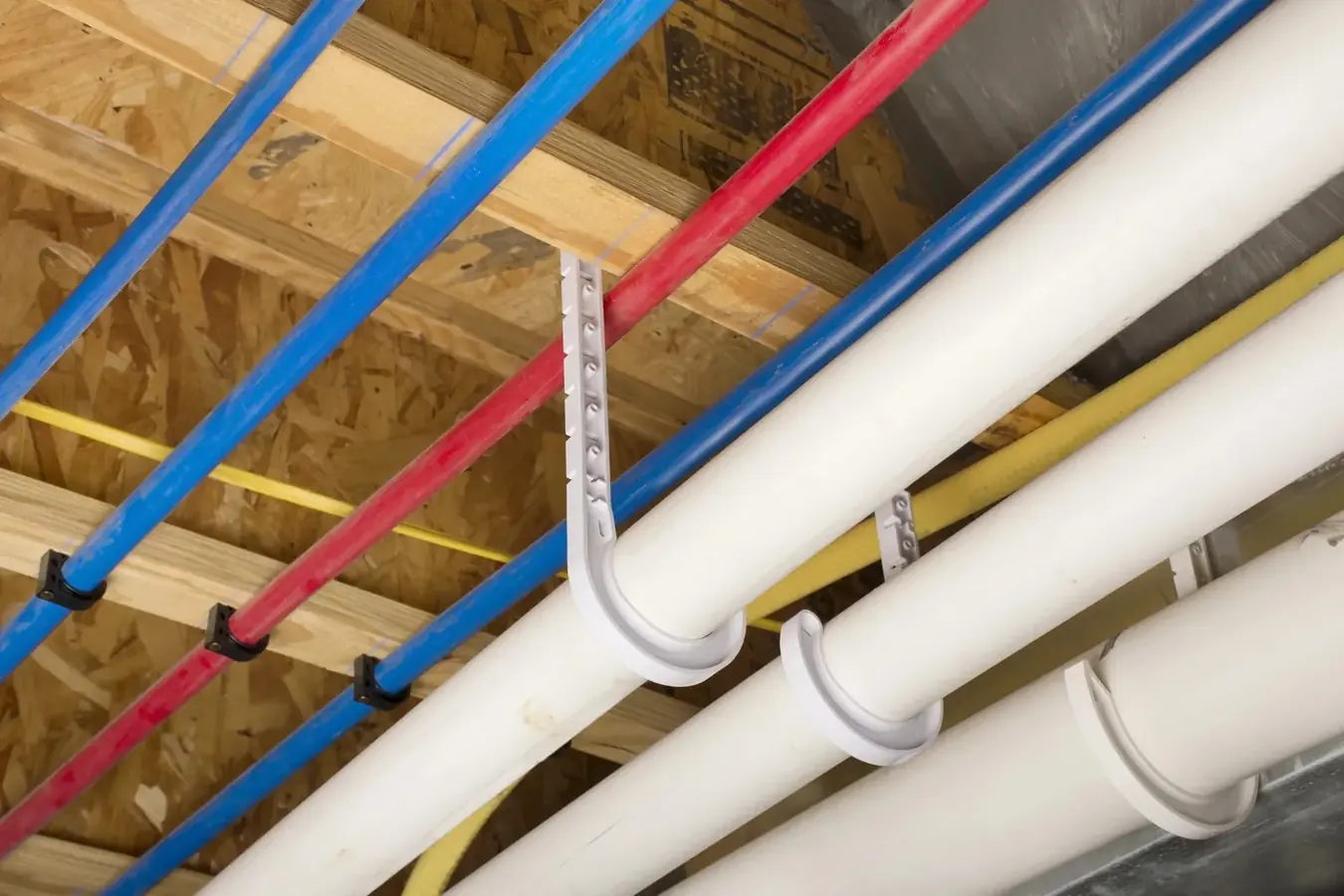
Pacific Northwest National Laboratory explains that how hot-water pipes are laid out, and how much water they hold, affect how long hot water takes to reach the tap. A faucet far from the heater may have more cooled water to clear than one right next to it. Bradford White also identifies the distance from heater to faucet as a common reason for a wait. This can happen even when the heater is producing hot water normally.
Compare the nearest hot tap with the farthest one after both have sat unused. If the close one warms up fast and the far one takes longer, the length of the pipe run may be why. A slow faucet at the end of a long run doesn’t prove the heater is failing.
Compare patterns
Notice whether the delay is new or has always happened
A wait that’s been about the same since you moved in is a different question from a sudden change all over the house. Try more than one faucet and notice whether the water eventually gets as hot as usual. If every fixture has changed, if the water never becomes hot, or if it starts hot and quickly turns cold, the water heater service call should include those symptoms.
Don’t turn up the heater or buy new equipment just because one far-off tap is slow. A plumber can tell whether it’s pipe distance, the fixture or the heater before recommending any work.
Wasted water
A long wait also sends water down the drain
While you wait, the cooled water in the hot line runs down the drain. The amount depends on the plumbing layout and the flow at that fixture; there is no single normal wait time for every house. If the wait has become a hassle, say which fixture is farthest away and how long you usually wait. A plumber can talk through whether a practical change makes sense for your home, without assuming you need a particular device.
Before you call
What to tell the plumber
Share which fixtures take longest, whether the wait is new, whether the water eventually gets hot, and whether it later runs cold. Mention any visible leak or heater warning. That helps separate a slow arrival from the different problem of not having enough hot water.
Need a plumber?
Tired of waiting on hot water? Give us a call.
Tell 70 West Plumbing which fixture takes longest and whether the delay is new or the water later runs cold. We serve Hot Springs, Glenwood, Bismarck and Bonnerdale, 6AM–6PM daily. Call 501-547-0518 or request a quote.