
70 West Plumbing · Homeowner guide
Why Do Pipes Bang When the Water Shuts Off?
When the noise happens tells you a lot about what the plumbing is doing
A sharp knock just as the washing machine stops filling or a faucet closes can be a sign of water hammer. Moving water stops suddenly and sends a pressure wave through the pipes. You may hear a bang or feel a vibration, and the sound can seem to come from somewhere far from the fixture.
The pressure change
A sudden stop can create a sudden pressure change
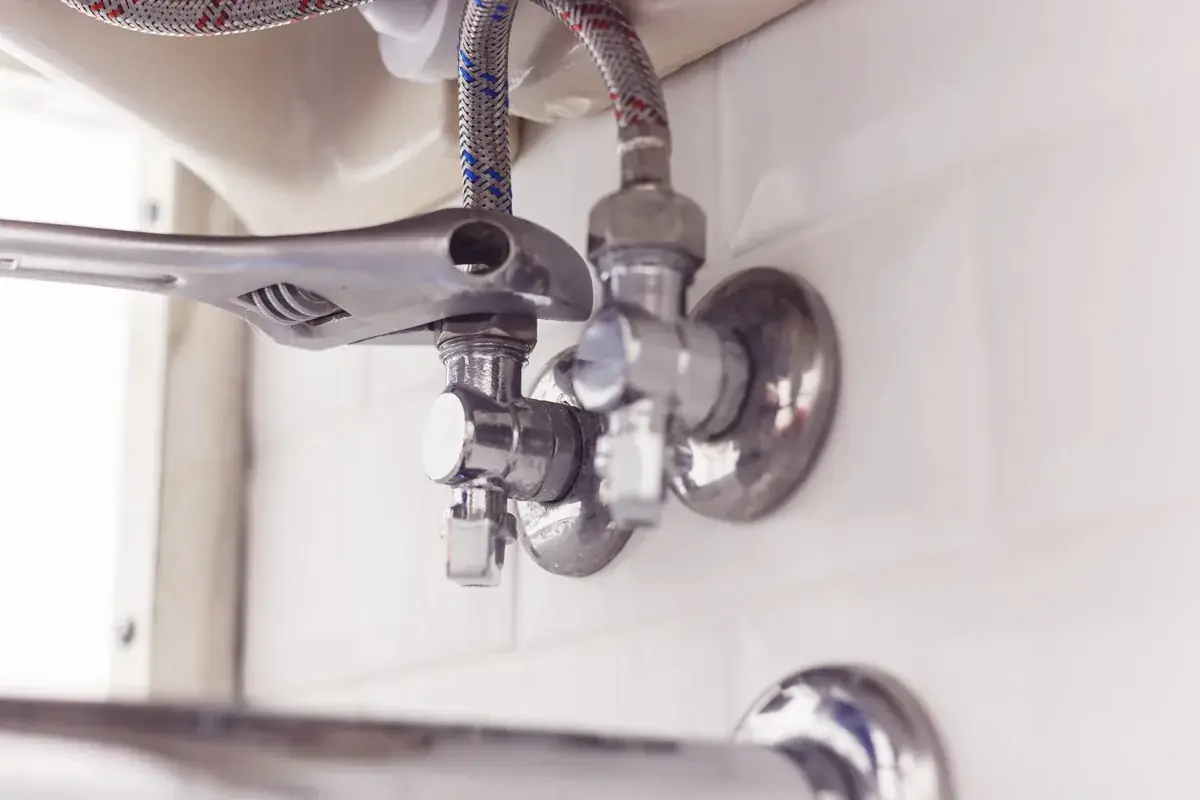
Water moving through a supply pipe has momentum. A fast-closing valve changes that movement quickly. Manufacturers such as Watts and Sioux Chief describe the resulting pressure surge as water hammer, or hydraulic shock.
Appliances with quick-closing valves are a good clue. A washing machine, dishwasher or ice maker may start and stop its water supply automatically. If the knock happens at the same point in the cycle, jot down which appliance was running. You don’t need to make it happen again just to get a louder example.
Other noises
Listen for the timing as well as the sound
A single bang at shutoff, rattling while water runs and a sound from the water heater are different problems. The word “banging” alone doesn’t tell a plumber what to look for. Note whether the sound starts when water turns on, while it runs, or immediately after it stops.
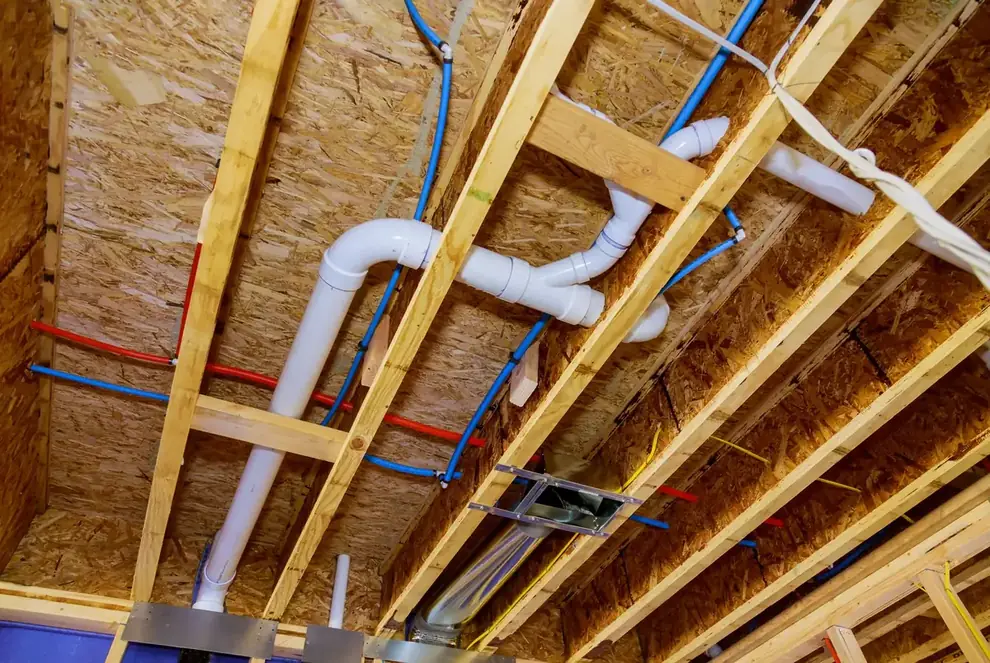
If you can see a pipe moving, mention that too. The plumber may check pipe supports, valves and water pressure. If you can safely see the area, a short video during normal use can help. Leave hidden pipes and tight spaces for the plumber. The spot where a sound is loudest isn’t always where it starts.
Possible solutions
An arrester and a pressure regulator do different jobs
A water-hammer arrester is designed to absorb a pressure surge. Sioux Chief describes a contained cushion of air, separated from the water, that compresses as the surge reaches it. Size and placement matter. It isn’t a one-size-fits-all part for any handy pipe.
A pressure-reducing valve controls the incoming supply pressure. That is a different job from absorbing a brief shock near a fast-closing valve. Watts explains how higher pressure can contribute to hammer. A plumber can measure your system and figure out whether you need pressure control, an arrester, a valve repair, better pipe support or some mix of these. The noise alone can’t tell you the pressure.
Before service
Note what sets it off and what’s changed
When asking about plumbing repair, describe:
- Which fixture or appliance was running when you heard it.
- Whether it happens at startup, during flow or at shutoff.
- Whether it is new, becoming more frequent, or began after an appliance or plumbing change.
- Any visible movement, leak or loss of normal water flow.
Ask what the plumber found and which part of the work deals with the cause. Picking a device before anyone checks the system can leave another problem in place.
Visible water
A leak changes the priority
If the noise comes with water leaking from a connection, mention the leak first. Use a known shutoff only when it is safe to reach and operate. Keep clear of water near electrical equipment. 70 West’s leak and pipe repair information explains the service route for visible water and suspected hidden sources.
If the noise keeps coming back but you don’t see water, schedule a visit and describe the pattern. Good notes help connect the sound to what actually needs attention.
Need a plumber?
Get help with a recurring plumbing noise
Call 70 West Plumbing at 501-547-0518, 6AM–6PM daily. We serve Hot Springs, Glenwood, Bismarck and Bonnerdale.